
When a skyscraper decides to go green, the impact is monumental. The Empire State Building, an emblem of architectural prowess, is now at the forefront of the sustainability movement, significantly reducing its greenhouse gas (GHG) emissions. Buildings responsible for 39% of global energy-related emissions, and by cutting its GHG emissions by 54%, the iconic structure is proving that even giants can tread lightly on the earth.
What are GHG Emissions?
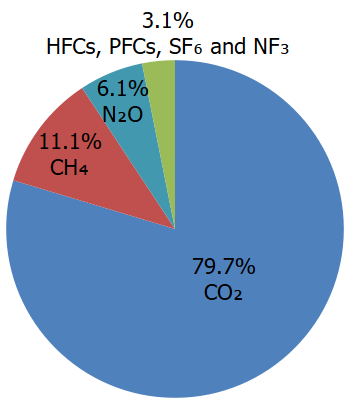
The Environmental Protection Agency (EPA) defines GHG emissions as gasses that trap heat in the atmosphere, leading to environmental issues like rising global temperatures and sea levels. These emissions primarily consist of carbon dioxide, methane, nitrous oxide, and fluorinated gasses.
GHG emissions generated by organizations and their buildings fall into three categories: Scope I, Scope II, and Scope III.
- Scope I: Direct emissions from owned or controlled sources.
- Scope II: Indirect emissions from the generation of purchased electricity, steam, heating, and cooling.
- Scope III: All other indirect emissions that occur in a company’s value chain.
We delved into these categories in “Quantify Your Footprint: First Step to Solving the Climate Risk Puzzle”.
The Empire State Building: A Case Study in GHG Emissions Reduction

Curious about how you can reduce GHG emissions at your properties? Let’s explore a remarkable case study: The Empire State Building in New York City.
Standing 1,454 feet tall, the Empire State Building is an iconic symbol of innovation and the heart of New York City. Once the tallest building in the world, this office building has graced numerous films and continues to represent the city’s spirit. Fun fact: its name comes from New York’s nickname, “The Empire State.”

The Empire State Building team embarked on a deep energy retrofit with a dual focus on sustainability and education, aiming to set a global example. A deep energy retrofit involves comprehensive renovations to drastically reduce a building’s energy consumption. When multiple retrofits are implemented together, the impact on GHG emissions can be significant.
The team set a GHG emissions reduction goal of 75% by 2050 and designed the retrofits to help them meet this goal for construction and building operations.
The Goals:
- Reduce GHG Emissions by 75% by 2050
- Enhance Tenant Experience
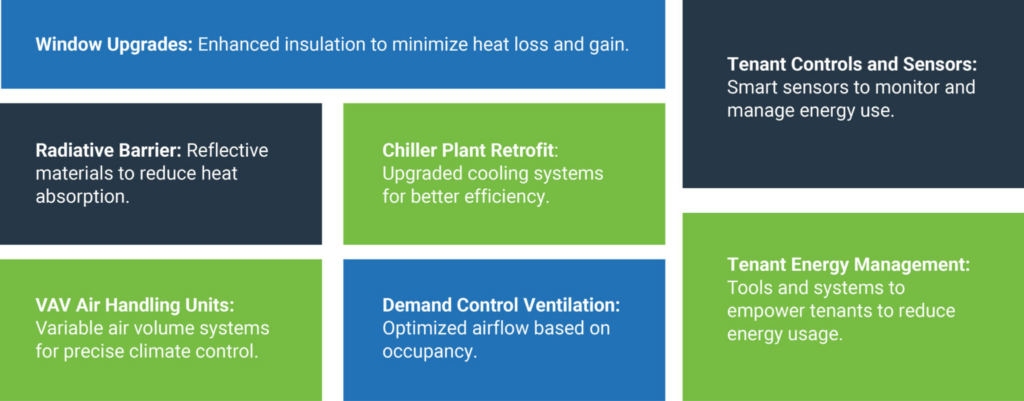
The Retrofit Strategies:
The Results:
- GHG Emissions Reduction: 54%
- Annual Savings: $4 million
- Renewable Energy: Powered by 100% renewable energy since 2011
- Carbon Neutral Goal: 2030
The transformation is a powerful example of how strategic planning can drive meaningful changes, reducing GHG emissions and contributing to a sustainable future. The Empire State Building proves that with the right approach, even the most iconic structures can lead the way in environmental stewardship. For a detailed snapshot of the results and objectives of this deep retrofit, check out this interview with the Empire State Realty Trust (ESRT) team in Sustainability Magazine.
Inspired to embark on your own GHG emissions reduction journey? Explore other resources like DSIR, IRA, and the Retrofit Playbook to get started.
Then, let Conservice guide you through the process. Contact us today to learn more.



Subscribe To Our Blog Newsletter
Keep yourself ahead of the curve with the latest utility news, trends, & resources.
Editor's Picks

5 Signs Your Telecom Strategy Needs An Update
Telecom has a funny way of becoming someone’s problem. A resident can’t get connected, so they call the onsite property team. A provider needs an answer, so someone digs through an old agreement. A renewal date appears on the calendar,…

How to Streamline Invoice Processing & Auditing
Utility bills have a lot to say. They can tell you where costs are climbing and where usage looks unusual. They can point to a provider error before it hits your bottom line. And across hundreds or thousands of accounts,…

Ask An Expert with Sustainability Expert, Sandra Closson
Meet Sandra Closson Some people see spreadsheets full of utility data. Sandra sees a story about how a building operates and where it can improve. With nearly three decades of professional experience and 17 years in sustainability, Sandra has built…

The Next Chapter of Single Family Operations
At some point “more” stops being the answer. The single family industry has spent the last decade defining success as growth. Build new properties, acquire existing properties, attract institutional investment, repeat. Portfolios grew from hundreds of homes to thousands. “More”…
RUBS Utility Billing vs. Submetering: A Decision Guide
RUBS Utility Billing vs. Submetering A Decision Gu | RSS.com TL;DR: Not every property gets to choose between RUBS and submetering – your building, budget, and state regulations all play a role. RUBS (Ratio Utility Billing System) is faster and…

NAA 2026 Debrief: AI Everywhere, Automation Under Pressure, and the Human Work of Multifamily
NAA 2026 Debrief: AI Everywhere, Automation Under | RSS.com Attending this year’s Apartmentalize (which was truly excellent, by the way), you couldn’t help but notice a contrast. On the one hand, the vendor floor was an absolute sea of AI…

Inside Multifamily with NAA President & CEO Bob Pinnegar
Inside Multifamily with NAA President & CEO Bob Pi | RSS.com Conservice’s Lauren Howard sits down with National Apartment Association President and CEO Bob Pinnegar to discuss the current state of the rental housing industry. From supply and affordability challenges…

Retain Residents Longer with Transparent, Fair Utility Billing
Improve resident retention with transparent utility billing. Build trust, increase resident satisfaction, reduce disputes, and support lease renewals with fair billing practices.
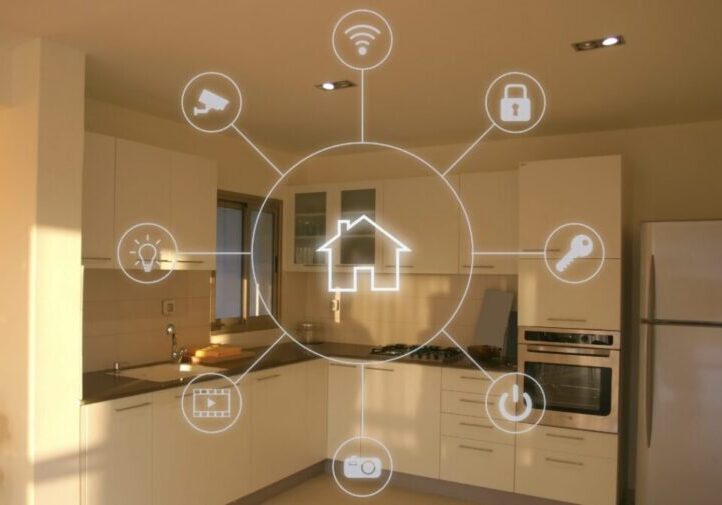
Power in Partnership: Building a Real Estate Tech Ecosystem That Works
More tech doesn’t always mean a better resident experience. The true potential lies not in individual tools, but in how they work together. From internet to access control, smart home tech to resident experience platforms, properties rely on a growing…
2026 Building Performance Standards Compliance by City
Stay ahead of 2026 building performance standards like Local Law 97. Track city deadlines, understand penalties, upgrade properties, and take action to stay compliant.
Experience Effortless Utility Management and Cost Savings
Connect with us today to discover how our solutions can ease tenant billback, streamline utility management, and reduce your costs and energy usage. Make your utility management smarter and more efficient with Conservice!