
In the first article of this series, we introduced a simple but important idea: physical climate risk has become a portfolio allocation question, not just a reporting exercise.
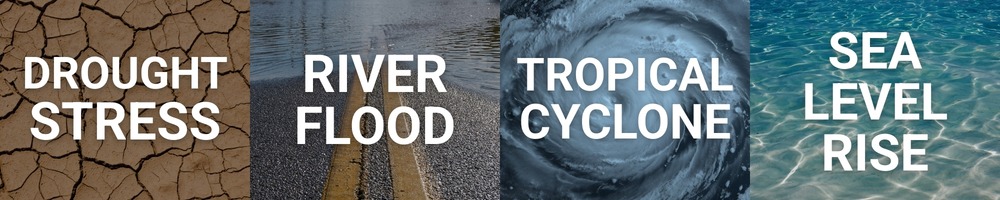
We also introduced the eight climate hazards that commonly affect multifamily real estate.

But simply knowing the list of hazards is not enough to make investment decisions.
What matters more is how those hazards behave and what kind of impact they tend to have on properties and portfolios over time.
Some hazards create gradual operational pressure. Others introduce the potential for sudden, high-impact loss events. Some are widespread across nearly every region. Others are highly concentrated geographically but carry larger financial consequences when they occur.
Understanding those differences is critical when screening portfolios. Because not all climate hazards carry the same implications for multifamily performance.
Not All Climate Risks Behave the Same Way
When investors first examine climate exposure data, it can feel overwhelming. Hazard models often produce a long list of risks associated with each asset. But from a portfolio perspective, most hazards fall into two broad behavioral categories.
- Some create ongoing operational stress that gradually affects building performance and operating costs.
- Others represent event-driven risks that can lead to sudden property damage, insurance losses, or infrastructure disruption.
Separating hazards into these categories can help portfolio teams focus their analysis and avoid treating every risk signal the same way.
Operational Stressors: The Risks That Quietly Affect Performance
Several climate hazards influence multifamily assets primarily through operational strain rather than catastrophic events. These risks tend to appear across large portions of the country and affect day-to-day property performance.
Heat
Rising temperatures increase cooling demand, energy consumption, and strain on HVAC systems. In dense urban environments, the urban heat island effect can intensify these impacts by raising local temperatures several degrees above surrounding areas.
For multifamily operators, heat exposure can translate into higher utility costs, increased maintenance needs, and greater emphasis on building efficiency.
Heavy precipitation
Rainfall events are becoming more intense in many regions, placing pressure on drainage systems, roofs, and surrounding infrastructure. Even when precipitation does not result in major flooding, repeated heavy rainfall can increase maintenance costs and accelerate wear on building systems.
Drought conditions
In water-constrained regions, prolonged drought can affect landscaping practices, irrigation costs, and water pricing. Over time, water availability and pricing policies may influence operating expenses and property planning.
Extreme cold
Freeze events remain a major operational risk in colder climates. Plumbing failures, heating demand spikes, and weather-related maintenance challenges can quickly increase operational costs during extreme cold events.
Individually, these hazards may appear manageable. But across large portfolios, their cumulative operational impact can be significant.
Event-Driven Hazards: The Risks That Reshape Markets
Other climate hazards occur less frequently but can produce large financial impacts when they do occur. These risks tend to be the focus of insurance markets and disaster response planning.
Flooding
Flood events remain one of the most financially disruptive hazards affecting real estate. Flooding can damage buildings, disrupt transportation networks, and create extended recovery periods for affected communities.
Tropical storms and hurricanes
Coastal regions face exposure to powerful wind events and storm surge. These events can damage structures, interrupt utilities, and create large-scale infrastructure challenges.
Wildfire conditions
Wildfire risk has expanded in many western states as drought conditions and vegetation patterns change. Fire weather exposure can affect insurability and long-term development patterns in some regions.
Coastal flooding and sea level rise
Sea level rise presents a slower but persistent risk in coastal areas. Over time, higher sea levels can increase the frequency of nuisance flooding, damage infrastructure, and influence long-term property viability.
These hazards are less frequent than operational stressors but can create sudden, large-scale financial impacts.
Exposure Alone Still Doesn’t Answer the Investment Question
Even after understanding how hazards behave, investors face another challenge. Two properties may be exposed to the same hazard but represent very different levels of risk to a portfolio.
A high-value asset in a concentrated market may represent far more exposure than multiple smaller assets in different regions. Similarly, a portfolio heavily concentrated in one metro area may carry greater risk than a diversified set of properties spread across markets.
This is where climate exposure needs to be evaluated through a financial lens. Simply knowing which hazards affect a property does not reveal where the largest concentrations of risk exist. That requires comparing exposure against asset values and portfolio composition.
In the Final Article: Identifying Portfolio Hotspots
In the final article of this series, we’ll explore how multifamily investors can translate climate exposure into a portfolio-level framework that highlights where risk concentrations exist.
This approach allows portfolio teams to identify “hotspots” where deeper analysis may be warranted and prioritize resources accordingly.
Rather than analyzing every asset in equal detail, investors can focus attention where it matters most.
Explore the Full Analysis
To understand how these hazards affect real multifamily portfolios, we analyzed climate exposure across thousands of investment-grade properties in our latest report:
Rent at Risk: Assessing Physical Climate Risk in Multifamily Investments
The guide includes:
- Climate hazard exposure across nearly one million multifamily units
- Insights into how exposure varies by market and ownership structure
- A framework for screening portfolios and identifying risk concentrations
- Guidance for prioritizing deeper property-level analysis
Download the full report to explore our findings.



Subscribe To Our Blog Newsletter
Keep yourself ahead of the curve with the latest utility news, trends, & resources.
Editor's Picks
Vacant Cost Recovery (VCR): The Complete 2026 Guide
Under the right circumstances, pressure creates diamonds. In multifamily housing, today’s operating pressure may have the right circumstances for a similar transformation. Rising utility costs, tighter margins, and increased regulatory scrutiny are pushing property managers to uncover efficiencies they may…

New Rules. Same Old Trash. Ask an Expert with Tedd Schonsheck
Meet Tedd Schonsheck: Waste strategist. Former Army officer. Recovering retail executive. Now, he’s one of the people dedicated to making sure trash actually works for property owners and managers.

Climate Risk Is Now a Portfolio Allocation Question, Not a Reporting Exercise
A practical framework for screening climate risk in multifamily portfolios and identifying market and asset hotspots.

Keep the Heat On: Utility Assistance Resources for Property Teams This Winter
Record-breaking cold across the East is driving heating costs higher and putting pressure on residents and property teams alike.. Meanwhile, in our headquarters in Utah, we’re still scanning the mountains for snow (we’re not bitter). But across the country, winter…
Exploring the YoY Energy Price Hikes
Why Doing Everything Right Still Costs More First the lightning. Then the thunderclap. Right? The lightning. Over the last 18 months, AI, in all of its many and emerging forms, roared across the U.S. And while cultural and enterprise hesitance…
Onboard Is Now Conservice Internet Management
Since 2017, Onboard has been singularly focused on transforming how internet is delivered, supported, and monetized in the real estate industry. We’ve built a platform that simplifies bulk and non-bulk internet programs for owners, enhances the resident experience, and drives…

Senior Living Runs on Care (and Careful Utility Management)
Senior living operations exist for one main reason: to support residents. Every role, every process, and every decision ultimately serves people, not just systems. That focus is what makes the industry unique. And it’s also what makes operational strain show up more quickly when something falls out of balance.

The NOI Drain You Can’t See: How Utility Billing Errors Quietly Undermine Portfolio Performance
Identify and recover hidden utility billing errors that quietly drain NOI. Learn how a utility bill audit, automation, and expert review improve budget accuracy across multifamily and commercial portfolios.

Mid-Lease Enrollments: You’ve Signed a Bulk Internet Contract—Now What?
Signing an internet management contract is a big step forward. You’ve secured better pricing, guaranteed service levels, and one of the most in-demand amenities for your residents. But once the ink is dry, the real work begins: getting residents enrolled.

What the 2026 GRESB Updates Mean: Our Observations on the Key Shifts
Change is on the horizon. The 2026 GRESB Real Estate Standard marks a decisive move toward measurable, performance-based climate action. Rather than incremental adjustments, these updates focus attention on the issues that most directly shape long-term value and resilience. GRESB…
Experience Effortless Utility Management and Cost Savings
Connect with us today to discover how our solutions can ease tenant billback, streamline utility management, and reduce your costs and energy usage. Make your utility management smarter and more efficient with Conservice!