
“Use it up. Wear it out. Make it do or do without.”
A classic from the Great Depression, and the heart and soul of the Massachusetts Community Climate Bank, or “Green Bank” as it is more widely understood. At the heart of this initiative is the desire to transform what was a catastrophic pandemic and unprecedented transformation in the way we work into a smarter, more resilient way to address the ongoing housing crisis.
COVID-19 forced everyone who COULD work from home TO work from home, and while a steady migration back to the office has occurred in certain industries and in certain states, overall, the proliferation of hybrid and remote work models appears to very much have established itself as a new norm.
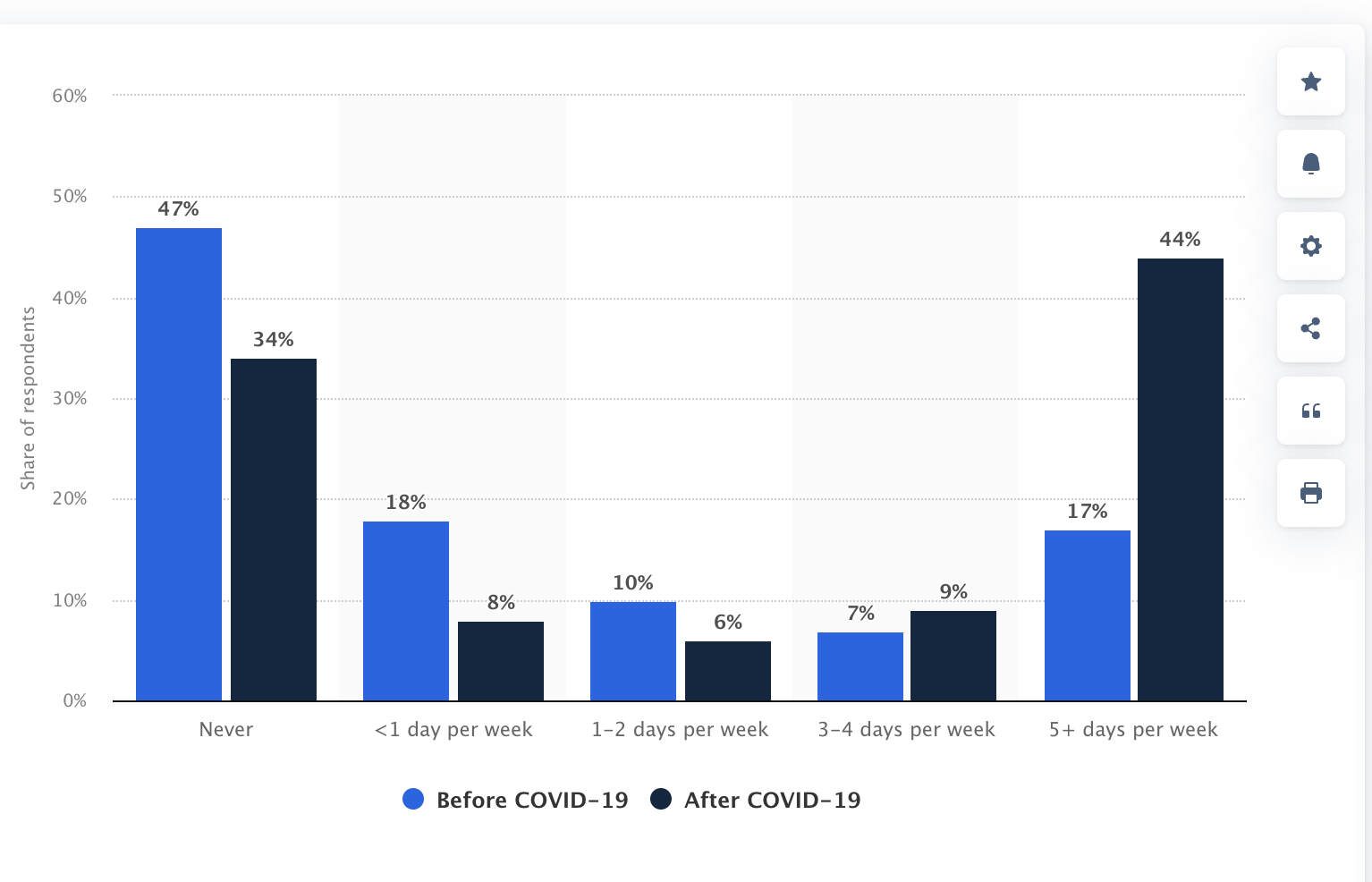
—Statisa.com
The result? Vacant commercial office real estate all over the country.
Before 2020, the quarterly vacancy rate was around 12 percent, but as the pandemic unfolded, it climbed to above 15 percent. In the first quarter of 2023, about 16.1 percent of office space across the country was vacant.
Massachusetts lawmakers couldn’t help but notice this trend occurring right alongside a 7.3 million unit housing crisis shortfall all across the nation. Empty commercial real estate and prospective residents in need? Behold the Green Bank
Understanding the Green Bank
Essentially, the Massachusetts Community Climate Bank is endeavoring to solve several issues at once. First, it aims to provide funding to transform conventional empty office spaces into affordable housing units. Simultaneously, the Green Bank is meant to help Massachusetts achieve its lofty climate and carbon impact objectives. By repurposing empty office space (whose maintenance and existence inflicts a carbon footprint) into affordable housing, it can create a new supply of affordable units for residents without the environmental impacts that come with outright and widespread new construction.
And while the mechanical action of repurposing one space for another is inherently sustainable, Green Bank funding is specifically designed to engender the creation of energy-efficient housing units that align with the state’s decarbonization objectives, reducing the overall greenhouse gas emissions of this new supply of units.
Obstacles and Headwinds
As anyone who has ever tried to overnight in an office space knows—they’re fundamentally not living spaces. Converting working commercial real estate into residential units isn’t without its challenges. It’s expensive; It’s labor intensive; And the added pressures of sustainable construction further complicate the process.
- HVAC System Conversion: More often than not, office buildings use a centralized HVAC system. For residential units to function properly, this system has to be converted to supply and meter individual units.
- Plumbing: Offices have break rooms and bathrooms. Residential units, on the other hand, have kitchens and washers and multiple bathrooms and showers and all manner of water transportation needs. That veritable spiderwork of infrastructure has to be installed to make the spaces functional
- Decarbonization. Sustainability goals mean higher standards and more regulation. Better equipment, sustainable supply chains, more resilient materials, and more reporting to meet regulatory needs: it all comes with an associated cost.
While most of these issues boil down (as most issues inevitably boil down) to cost and labor, that is fundamentally why the Green Bank exists. It is, at its heart, a financial support system meant to alleviate these challenges and incentivize developers. The hope of the initiative is that enough strategic financial support will make office conversions more financially viable and more enticing to prospecting developers.
When will the Green Bank Initiative Launch?
According to Massachusetts officials, the Green Bank is set to formally launch by the end of the year. What’s more, the initial signs seem promising. A reporter on the Radio Boston program has indicated that developers are showing interest. The combination of Green Bank financial support and the Inflation Reduction Act (IRA) seems to have elicited a positive response from developers throughout the state. Only time will tell if enough businesses will be willing to take the plunge to make the initiative an overall success.
Other states will no doubt be watching closely. Massachusetts is not alone in its widespread vacant commercial real estate, and the housing crisis has rained on the heads of municipalities all across the U.S. If Massachusetts’s investment results in widespread affordable housing and more achievable climate initiatives, you can bet other legislative bodies will follow suit.



Subscribe To Our Blog Newsletter
Keep yourself ahead of the curve with the latest utility news, trends, & resources.
Editor's Picks

Ask An Expert with Sustainability Expert, Sandra Closson
Meet Sandra Closson Some people see spreadsheets full of utility data. Sandra sees a story about how a building operates and where it can improve. With nearly three decades of professional experience and 17 years in sustainability, Sandra has built…

The Next Chapter of Single Family Operations
At some point “more” stops being the answer. The single family industry has spent the last decade defining success as growth. Build new properties, acquire existing properties, attract institutional investment, repeat. Portfolios grew from hundreds of homes to thousands. “More”…

RUBS Utility Billing vs. Submetering: A Decision Guide
RUBS Utility Billing vs. Submetering A Decision Gu | RSS.com TL;DR: Not every property gets to choose between RUBS and submetering – your building, budget, and state regulations all play a role. RUBS (Ratio Utility Billing System) is faster and…
NAA 2026 Debrief: AI Everywhere, Automation Under Pressure, and the Human Work of Multifamily
NAA 2026 Debrief: AI Everywhere, Automation Under | RSS.com Attending this year’s Apartmentalize (which was truly excellent, by the way), you couldn’t help but notice a contrast. On the one hand, the vendor floor was an absolute sea of AI…

Inside Multifamily with NAA President & CEO Bob Pinnegar
Inside Multifamily with NAA President & CEO Bob Pi | RSS.com Conservice’s Lauren Howard sits down with National Apartment Association President and CEO Bob Pinnegar to discuss the current state of the rental housing industry. From supply and affordability challenges…

Retain Residents Longer with Transparent, Fair Utility Billing
Improve resident retention with transparent utility billing. Build trust, increase resident satisfaction, reduce disputes, and support lease renewals with fair billing practices.
Power in Partnership: Building a Real Estate Tech Ecosystem That Works
More tech doesn’t always mean a better resident experience. The true potential lies not in individual tools, but in how they work together. From internet to access control, smart home tech to resident experience platforms, properties rely on a growing…
2026 Building Performance Standards Compliance by City
Stay ahead of 2026 building performance standards like Local Law 97. Track city deadlines, understand penalties, upgrade properties, and take action to stay compliant.

Good Data In, Good Data Out: The Key To Turn Season
It’s that time of year again for student housing. Move-outs are piling up nearly as fast as move-ins and student housing operators and property teams have just a few short weeks to get it all sorted before the next wave…

Improving Resident Experience Through Connectivity: 4 Reasons Bulk Internet Actually Works
Multifamily owners and operators are rethinking how connectivity is delivered. Bulk internet programs are becoming an increasingly valuable solution.
Experience Effortless Utility Management and Cost Savings
Connect with us today to discover how our solutions can ease tenant billback, streamline utility management, and reduce your costs and energy usage. Make your utility management smarter and more efficient with Conservice!