It usually starts with a small moment. Someone notices the constant drip of a leaky faucet. A maintenance tech flags a building that’s using way more water than expected. A property manager wonders if energy costs really have to be that high.
Then the question hits: Could we be doing this better?
With Earth Day 2025 right around the corner, it’s the perfect time to find your answer to that question. How sustainable are your building and building practices actually? And more importantly, find ways to act on the answers.
We help turn those everyday inefficiencies into long-term opportunities. From LEED certification to utility data consulting, we make sustainability practical, measurable, and cost-effective.
Because green buildings aren’t just good for the planet. They’re a smart investment that benefits your operations, your bottom line, and the communities you serve.
Green Buildings Make a Measurable Difference
Buildings account for nearly 40% of energy-related CO₂ emissions globally. That’s a significant impact, but also a major opportunity.
LEED-certified buildings consistently outperform traditional ones. According to the U.S. Green Building Council, LEED buildings produce 34% fewer carbon emissions, consume 25% less energy, and use 11% less water than their conventional counterparts. These efficiency gains translate directly to lower utility costs and stronger returns, with LEED properties averaging nearly 20% higher ROI. Many also see up to 40% savings on water and energy bills.
By using fewer resources and generating less waste, green buildings ease the burden on local utilities, improve environmental performance, and offer operational benefits that compound over time.
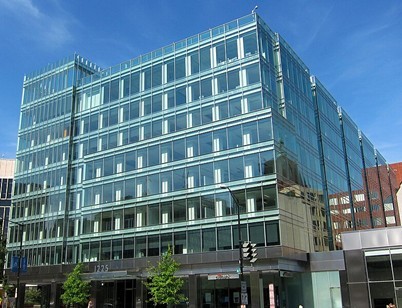
Water Efficiency and System Resilience
As LEED buildings use less water, they also reduce wastewater and improve overall water quality. Wastewater and stormwater runoff are associated with contaminants from buildings, cars, and farming that can enter the public water system. Contaminants that are in this water can include:
- Heavy metals (such as lead and zinc) and oil and grease (like motor oil and gasoline) from transportation
- Pesticides and fertilizers, which can come from lawns and gardens
- Bacteria associated with pet waste and failing septic systems
- Sediment from construction sites
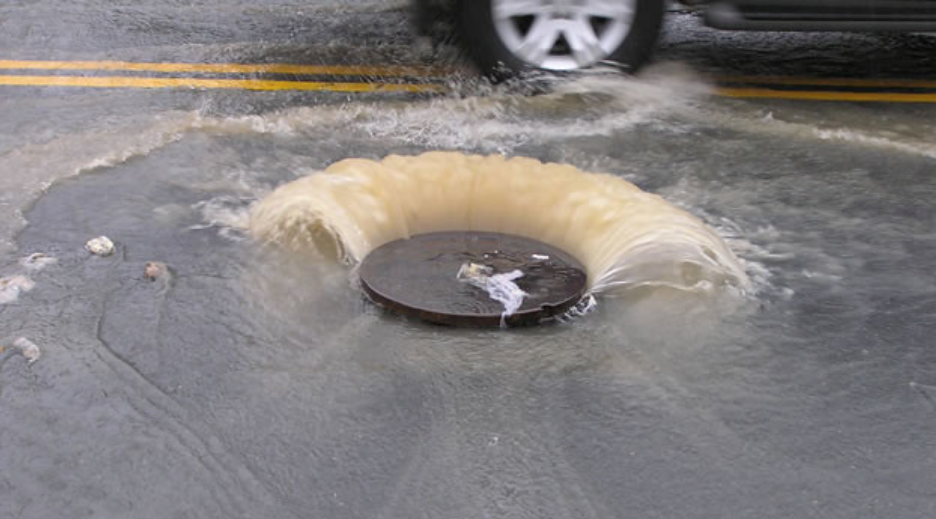
Runoff from cities—where streets and sidewalks are typically nonporous and can’t absorb water naturally—can overwhelm aging sewer systems and lead to combined sewer overflows. These occur when stormwater and sewage exceed the system’s capacity and discharge into nearby waterways. Combined sewer overflows are on the rise in cities like New York, Chicago, and Boston. When LEED buildings reduce water usage in these areas, they help ease the demand on overburdened systems.
Conserving water can also help cities that are prone to drought, such as Los Angeles, and Las Vegas, where demand on local water systems is already high.
Long-Term Environmental Gains
Since the LEED program began in 1993, the benefits accumulated have been significant. 78 million tons of CO2 emissions have been avoided and 1.3 million tons of coal have been saved each year. By 2030, according to the U.S. Green Building Council, “LEED projects will have diverted more than 540 million tons of waste from landfills”.
This progress matters. The US generates 292.4 million tons of municipal solid waste (MSW) annually, and nearly half (49.997%) of that waste is sent to landfills. The volume of waste in landfills has increased over time, and the national recycling rate has never surpassed 35%.
Reducing Greenhouse Gases Through Smarter Design
LEED buildings also help address climate change-related concerns by reducing greenhouse gas (GHG) emissions. GHGs are a direct contributor to climate change, and managing them now is a top priority for businesses across industries. LEED buildings have been found to produce:
- 50% less GHGs due to water use
- 48% less GHGs from solid waste activity
- 5% less GHGs from transportation sources
Get Involved This Earth Day
If you’d like to participate in Earth Day this year at your property, consider launching a recycling program, participating in Earth Hour, installing environmentally friendly building products, or pursuing LEED certification. These are just a few easy ways to get your team and your residents engaged.
Looking to track building performance or reduce emissions? We can help you turn sustainability goals into measurable results.
Happy Earth Day!



Subscribe To Our Blog Newsletter
Keep yourself ahead of the curve with the latest utility news, trends, & resources.
Editor's Picks

Good Data In, Good Data Out: The Key To Turn Season
It’s that time of year again for student housing. Move-outs are piling up nearly as fast as move-ins and student housing operators and property teams have just a few short weeks to get it all sorted before the next wave…

Improving Resident Experience Through Connectivity: 4 Reasons Bulk Internet Actually Works
Multifamily owners and operators are rethinking how connectivity is delivered. Bulk internet programs are becoming an increasingly valuable solution.

Conflict in Iran Affects Utility Costs
The situation in Iran is already having measurable economic effects. While much of the attention has focused on geopolitical implications, the financial impact on consumers is becoming increasingly clear. At the time of this publication, U.S. consumers have absorbed an…

A Practical Way to Prioritize Climate Risk Across Your Portfolio [Rent at Risk: Part 3]
Climate risk analysis produces a long list of exposures across assets and markets, but it does not always produce a clear path forward. How should you leverage and prioritize available data?
Utility University: March 2026
Utility costs are rising but this isn’t just another temporary spike. From increasing energy demand to the growing role of internet as essential infrastructure, the utility landscape is evolving fast. Here’s what property teams need to know to stay ahead.

The ROAD to Housing Act: What It Means for Supply, Renters, and Operators
The Senate passed the ROAD to Housing Act on March 12 with an 89-10 vote. That kind of margin is rare, especially for something as complex as housing policy. On paper, that kind of support should signal momentum. In reality, it highlights something more interesting.
What 650 Property Audits Revealed About Utility Rate Misalignment
Most utility bills are treated as a given. They arrive, they’re processed, and they’re paid. In some cases, they’re allocated or passed through to residents, but structurally, they are rarely questioned. Utilities tend to sit in the category of “fixed”…
The 8 Climate Hazards Multifamily Investors Should Be Screening For [Rent at Risk: Part 2]
Some hazards create gradual operational pressure. Others introduce the potential for sudden, high-impact loss events. Some are widespread across nearly every region. Others are highly concentrated geographically but carry larger financial consequences when they occur. Understanding those differences is critical when screening portfolios. Because not all climate hazards carry the same implications for multifamily performance.
Vacant Cost Recovery (VCR): The Complete 2026 Guide
Utility billing doesn’t always line up cleanly with move-ins and move-outs. When it doesn’t, properties often end up covering costs that belong to residents. This article walks through how Vacant Cost Recovery helps catch those gaps and recover what would otherwise be lost.
New Rules. Same Old Trash. Ask an Expert with Tedd Schonsheck
Meet Tedd Schonsheck: Waste strategist. Former Army officer. Recovering retail executive. Now, he’s one of the people dedicated to making sure trash actually works for property owners and managers.
Experience Effortless Utility Management and Cost Savings
Connect with us today to discover how our solutions can ease tenant billback, streamline utility management, and reduce your costs and energy usage. Make your utility management smarter and more efficient with Conservice!