
It usually starts with a small moment. Someone notices the constant drip of a leaky faucet. A maintenance tech flags a building that’s using way more water than expected. A property manager wonders if energy costs really have to be that high.
Then the question hits: Could we be doing this better?
With Earth Day 2025 right around the corner, it’s the perfect time to find your answer to that question. How sustainable are your building and building practices actually? And more importantly, find ways to act on the answers.
We help turn those everyday inefficiencies into long-term opportunities. From LEED certification to utility data consulting, we make sustainability practical, measurable, and cost-effective.
Because green buildings aren’t just good for the planet. They’re a smart investment that benefits your operations, your bottom line, and the communities you serve.
Green Buildings Make a Measurable Difference
Buildings account for nearly 40% of energy-related CO₂ emissions globally. That’s a significant impact, but also a major opportunity.
LEED-certified buildings consistently outperform traditional ones. According to the U.S. Green Building Council, LEED buildings produce 34% fewer carbon emissions, consume 25% less energy, and use 11% less water than their conventional counterparts. These efficiency gains translate directly to lower utility costs and stronger returns, with LEED properties averaging nearly 20% higher ROI. Many also see up to 40% savings on water and energy bills.
By using fewer resources and generating less waste, green buildings ease the burden on local utilities, improve environmental performance, and offer operational benefits that compound over time.
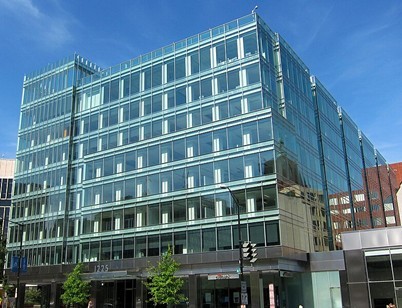
Water Efficiency and System Resilience
As LEED buildings use less water, they also reduce wastewater and improve overall water quality. Wastewater and stormwater runoff are associated with contaminants from buildings, cars, and farming that can enter the public water system. Contaminants that are in this water can include:
- Heavy metals (such as lead and zinc) and oil and grease (like motor oil and gasoline) from transportation
- Pesticides and fertilizers, which can come from lawns and gardens
- Bacteria associated with pet waste and failing septic systems
- Sediment from construction sites
Runoff from cities—where streets and sidewalks are typically nonporous and can’t absorb water naturally—can overwhelm aging sewer systems and lead to combined sewer overflows. These occur when stormwater and sewage exceed the system’s capacity and discharge into nearby waterways. Combined sewer overflows are on the rise in cities like New York, Chicago, and Boston. When LEED buildings reduce water usage in these areas, they help ease the demand on overburdened systems.
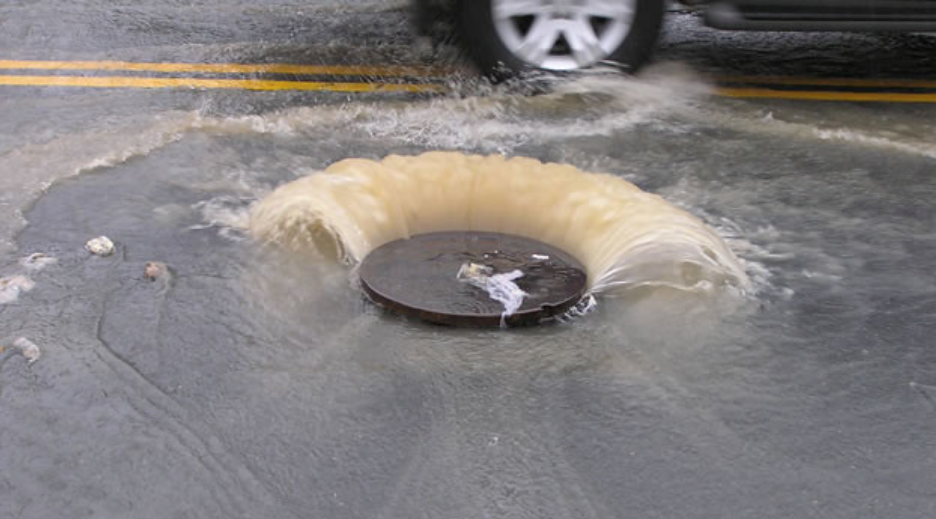
Conserving water can also help cities that are prone to drought, such as Los Angeles, and Las Vegas, where demand on local water systems is already high.
Long-Term Environmental Gains
Since the LEED program began in 1993, the benefits accumulated have been significant. 78 million tons of CO2 emissions have been avoided and 1.3 million tons of coal have been saved each year. By 2030, according to the U.S. Green Building Council, “LEED projects will have diverted more than 540 million tons of waste from landfills”.
This progress matters. The US generates 292.4 million tons of municipal solid waste (MSW) annually, and nearly half (49.997%) of that waste is sent to landfills. The volume of waste in landfills has increased over time, and the national recycling rate has never surpassed 35%.
Reducing Greenhouse Gases Through Smarter Design
LEED buildings also help address climate change-related concerns by reducing greenhouse gas (GHG) emissions. GHGs are a direct contributor to climate change, and managing them now is a top priority for businesses across industries. LEED buildings have been found to produce:
- 50% less GHGs due to water use
- 48% less GHGs from solid waste activity
- 5% less GHGs from transportation sources
Get Involved This Earth Day
If you’d like to participate in Earth Day this year at your property, consider launching a recycling program, participating in Earth Hour, installing environmentally friendly building products, or pursuing LEED certification. These are just a few easy ways to get your team and your residents engaged.
Looking to track building performance or reduce emissions? We can help you turn sustainability goals into measurable results.
Happy Earth Day!



Subscribe To Our Blog Newsletter
Keep yourself ahead of the curve with the latest utility news, trends, & resources.
Editor's Picks
Meter Tampering and Utility Theft Detection for Multifamily Communities
Utility theft doesn’t always look like a broken meter. Physical meter tampering, missed service transfers, and account mismatches can all leave utility costs unrecorded or assigned to the wrong account. Undetected vacant theft alone can cost an average community up…

The Only 5 Utility Management Companies Worth Considering in 2026
The multifamily utility market has no shortage of providers. But only a handful offer the scale, service depth, technology, or specialization to deserve serious consideration in 2026. Five stand out: Conservice (unashamed plug, but true is true), RealPage, Yardi, Entrata,…

How Property Management Software Supports Centralized Utility Management
TL;DR Enterprise operators need an accurate view of utility billing across every community. But when each property follows its own process, corporate teams spend more time checking records and reconciling reports before they can trust the portfolio view. Centralized utility…

Broadband Summit 2026 Debrief: The Infrastructure of Connectivity
Telecom strategy used to be limited to a few baseline questions: Who is the provider? What speeds do they offer? And are they offering the best rate? That was often the extent of the decision-making process. Walking out of Broadband…
Scaling Senior Living with Justin Brady
Scaling Senior Living with Justin Brady | RSS.com Who manages the utilities at a senior living community? Often, it’s a business manager or bookkeeper who is also juggling resident enrollment, retention, and day-to-day community operations. Lauren Howard sits down with…
Rental Junk Fee Laws in 2026: What Utility Billing Teams Need to Know
TL;DR: Fee transparency law is tightening in 2026, and most of the new rules target disclosure, not the formulas billing teams use to calculate a utility bill-back. This guide breaks down what counts as a junk fee, where disclosure rules…

Conservice’s 2nd Annual 5K Brings Together More Than 500 Participants and Gives Back to Cache Valley
LOGAN, Utah — September 10, 2026 — Conservice celebrated its second annual 5K Fun Run on September 9, bringing employees, families, and community partners together for an afternoon of connection and giving back. More than 550 people registered for this…

The How-to Guide for Reducing CAM Charges and Shared Space Costs
TL;DR When investigating where to reduce CAM charges and multifamily common-area costs, shared utility expenses might be the place to start. A higher bill doesn’t automatically signal waste, so it’s important to compare cost and consumption before deciding where to…

Installing EV Charging Stations: A Guide for Multifamily Property Owners
Have there always been this many electric vehicles on the road? It looks like the silent hum of an EV has become a roar, as Electric vehicles take the United States by storm. With the rise of EVs, comes the…
Policy Watch: Compliance & Building Readiness with Brett Kraus and Michelle Winters
Policy Watch: Compliance & Building Readiness with | RSS.com In this episode of Utility Wisdom, Michelle Winters, Vice President of Sustainability Sales at Conservice, sits down with Brett Kraus, Senior Legal Counsel, and Katie Piel, Sustainability Manager, to break down…
Experience Effortless Utility Management and Cost Savings
Connect with us today to discover how our solutions can ease tenant billback, streamline utility management, and reduce your costs and energy usage. Make your utility management smarter and more efficient with Conservice!