
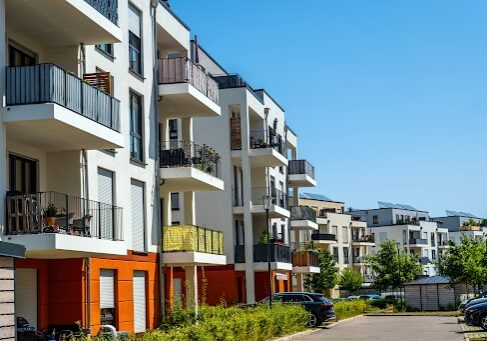
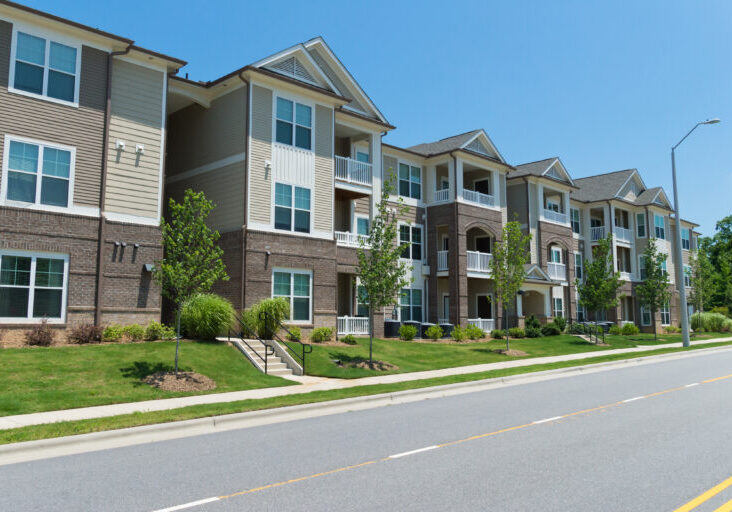
Real estate is always evolving due to the needs of the market and the creation and integration of new technologies. One specific trend is the growing demand for multifamily homes built to rent, especially among millennials. Multi-family trends will continue to evolve, but let’s take a look at a few that are here to stay.
Technology and Communication:
Residents expect electronic or self-serve rent and utility payment systems, as well as automated systems that inform them of upcoming charges, and payment status. Residents also want an easy way to communicate with site staff to resolve questions or submit a request related to maintenance issues. Automated payments and streamlined communication makes life easier for both your residents and site staff.
Sustainability:
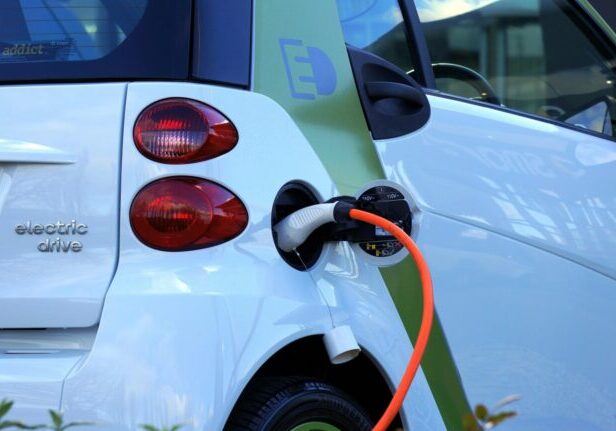
Green and sustainable technology is in higher demand, especially in multifamily buildings. Residents expect more energy efficiency, including LED lighting, solar panels, better insulation, car charging stations, and high-performance monitoring systems. Residents also want options that can help them live a more green lifestyle, like recycling, water bottle fill stations, nearby public transportation, and composting.
Aside from renter appeal, implementing sustainable features across your portfolio also helps reduce overall operating expenses – it’s a win-win! Sustainability is a trend that is here to stay.
Affordable Luxury:
Renters are increasingly more expectant of a wider variety of amenities, even to the point that they expect amenities along the lines of luxury apartments. Some of the most popular amenities include a pool, rooftop decks and patios, dog parks, high-speed internet, valet trash, and electric car charging stations.
Millennials make up one of the largest renter demographics, and with that has come a higher demand for useful common spaces and other amenities that have utility rather than just visual appeal. Multifamily property owners are working to accommodate these amenities requests by also including package lockers, barbecue areas, lofts, office space, media rooms, and fitness centers.
Virtual Tours and Self-Guided Showings:
Studies show that even prior to COVID-19 there was an increase of residents that preferred self-guided tours when looking for an apartment. Now in a world that is limiting human-to-human interaction, it’s become increasingly important to adapt to these practices. Virtual and self-guided tours are also more convenient for potential renters to schedule. This kind of flexibility can increase your number of showings, resulting in higher leasing activity.
Resident Credit Reporting:
Credit scores have a critical impact on everyone’s life. But because timely rent payments aren’t traditionally reported to credit bureaus, renters face specific challenges building or increasing their credit scores. Residents are often eager to take advantage of the opportunity to build their credit scores through timely rent payments.
Resident credit reporting has also gained attention due to a recent law passed in California (known as SB1157) that legally requires multifamily affordable housing landlords to offer credit reporting to their residents. We expect this to catch on in other states, and reach non-affordable housing as well. Credit reporting can benefit both the residents and the landlord.
Industry trends are always changing, but one thing remains consistent: the need for technology, sustainability, and amenities that appeal to renters. Keeping up with these lasting trends has a positive impact on the resident experience, which leads to higher occupancy and lower turnover rates.



Subscribe To Our Blog Newsletter
Keep yourself ahead of the curve with the latest utility news, trends, & resources.
Editor's Picks
Meter Tampering and Utility Theft Detection for Multifamily Communities
Utility theft doesn’t always look like a broken meter. Physical meter tampering, missed service transfers, and account mismatches can all leave utility costs unrecorded or assigned to the wrong account. Undetected vacant theft alone can cost an average community up…

The Only 5 Utility Management Companies Worth Considering in 2026
The multifamily utility market has no shortage of providers. But only a handful offer the scale, service depth, technology, or specialization to deserve serious consideration in 2026. Five stand out: Conservice (unashamed plug, but true is true), RealPage, Yardi, Entrata,…

How Property Management Software Supports Centralized Utility Management
TL;DR Enterprise operators need an accurate view of utility billing across every community. But when each property follows its own process, corporate teams spend more time checking records and reconciling reports before they can trust the portfolio view. Centralized utility…

Broadband Summit 2026 Debrief: The Infrastructure of Connectivity
Telecom strategy used to be limited to a few baseline questions: Who is the provider? What speeds do they offer? And are they offering the best rate? That was often the extent of the decision-making process. Walking out of Broadband…
Scaling Senior Living with Justin Brady
Scaling Senior Living with Justin Brady | RSS.com Who manages the utilities at a senior living community? Often, it’s a business manager or bookkeeper who is also juggling resident enrollment, retention, and day-to-day community operations. Lauren Howard sits down with…
Rental Junk Fee Laws in 2026: What Utility Billing Teams Need to Know
TL;DR: Fee transparency law is tightening in 2026, and most of the new rules target disclosure, not the formulas billing teams use to calculate a utility bill-back. This guide breaks down what counts as a junk fee, where disclosure rules…

Conservice’s 2nd Annual 5K Brings Together More Than 500 Participants and Gives Back to Cache Valley
LOGAN, Utah — September 10, 2026 — Conservice celebrated its second annual 5K Fun Run on September 9, bringing employees, families, and community partners together for an afternoon of connection and giving back. More than 550 people registered for this…

The How-to Guide for Reducing CAM Charges and Shared Space Costs
TL;DR When investigating where to reduce CAM charges and multifamily common-area costs, shared utility expenses might be the place to start. A higher bill doesn’t automatically signal waste, so it’s important to compare cost and consumption before deciding where to…
Installing EV Charging Stations: A Guide for Multifamily Property Owners
Have there always been this many electric vehicles on the road? It looks like the silent hum of an EV has become a roar, as Electric vehicles take the United States by storm. With the rise of EVs, comes the…
Policy Watch: Compliance & Building Readiness with Brett Kraus and Michelle Winters
Policy Watch: Compliance & Building Readiness with | RSS.com In this episode of Utility Wisdom, Michelle Winters, Vice President of Sustainability Sales at Conservice, sits down with Brett Kraus, Senior Legal Counsel, and Katie Piel, Sustainability Manager, to break down…
Experience Effortless Utility Management and Cost Savings
Connect with us today to discover how our solutions can ease tenant billback, streamline utility management, and reduce your costs and energy usage. Make your utility management smarter and more efficient with Conservice!