
When a skyscraper decides to go green, the impact is monumental. The Empire State Building, an emblem of architectural prowess, is now at the forefront of the sustainability movement, significantly reducing its greenhouse gas (GHG) emissions. Buildings responsible for 39% of global energy-related emissions, and by cutting its GHG emissions by 54%, the iconic structure is proving that even giants can tread lightly on the earth.
What are GHG Emissions?
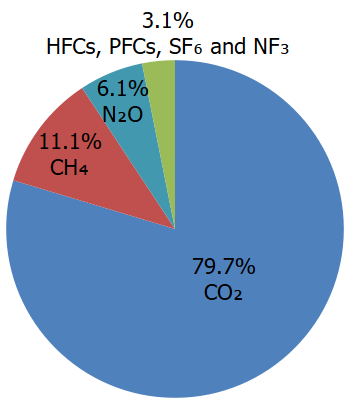
The Environmental Protection Agency (EPA) defines GHG emissions as gasses that trap heat in the atmosphere, leading to environmental issues like rising global temperatures and sea levels. These emissions primarily consist of carbon dioxide, methane, nitrous oxide, and fluorinated gasses.
GHG emissions generated by organizations and their buildings fall into three categories: Scope I, Scope II, and Scope III.
- Scope I: Direct emissions from owned or controlled sources.
- Scope II: Indirect emissions from the generation of purchased electricity, steam, heating, and cooling.
- Scope III: All other indirect emissions that occur in a company’s value chain.
We delved into these categories in “Quantify Your Footprint: First Step to Solving the Climate Risk Puzzle”.
The Empire State Building: A Case Study in GHG Emissions Reduction

Curious about how you can reduce GHG emissions at your properties? Let’s explore a remarkable case study: The Empire State Building in New York City.
Standing 1,454 feet tall, the Empire State Building is an iconic symbol of innovation and the heart of New York City. Once the tallest building in the world, this office building has graced numerous films and continues to represent the city’s spirit. Fun fact: its name comes from New York’s nickname, “The Empire State.”

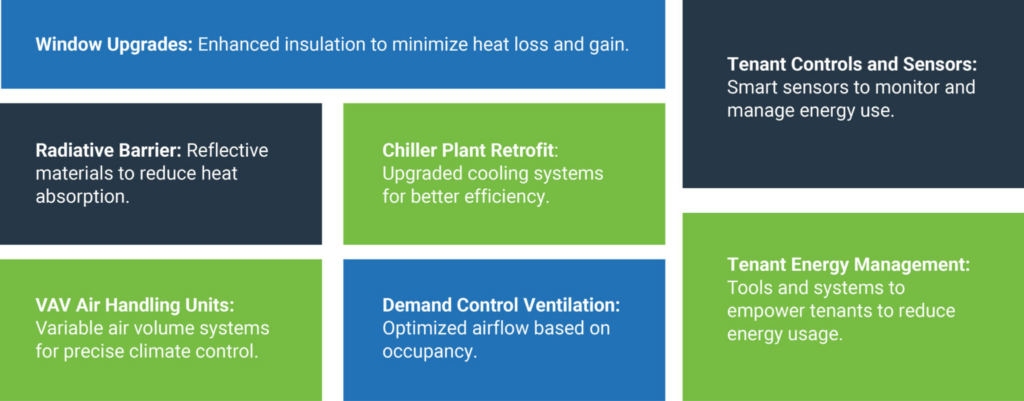
The Empire State Building team embarked on a deep energy retrofit with a dual focus on sustainability and education, aiming to set a global example. A deep energy retrofit involves comprehensive renovations to drastically reduce a building’s energy consumption. When multiple retrofits are implemented together, the impact on GHG emissions can be significant.
The team set a GHG emissions reduction goal of 75% by 2050 and designed the retrofits to help them meet this goal for construction and building operations.
The Goals:
- Reduce GHG Emissions by 75% by 2050
- Enhance Tenant Experience
The Retrofit Strategies:
The Results:
- GHG Emissions Reduction: 54%
- Annual Savings: $4 million
- Renewable Energy: Powered by 100% renewable energy since 2011
- Carbon Neutral Goal: 2030
The transformation is a powerful example of how strategic planning can drive meaningful changes, reducing GHG emissions and contributing to a sustainable future. The Empire State Building proves that with the right approach, even the most iconic structures can lead the way in environmental stewardship. For a detailed snapshot of the results and objectives of this deep retrofit, check out this interview with the Empire State Realty Trust (ESRT) team in Sustainability Magazine.
Inspired to embark on your own GHG emissions reduction journey? Explore other resources like DSIR, IRA, and the Retrofit Playbook to get started.
Then, let Conservice guide you through the process. Contact us today to learn more.



Subscribe To Our Blog Newsletter
Keep yourself ahead of the curve with the latest utility news, trends, & resources.
Editor's Picks

2026 Building Performance Standards Compliance by City
Stay ahead of 2026 building performance standards like Local Law 97. Track city deadlines, understand penalties, upgrade properties, and take action to stay compliant.

Good Data In, Good Data Out: The Key To Turn Season
It’s that time of year again for student housing. Move-outs are piling up nearly as fast as move-ins and student housing operators and property teams have just a few short weeks to get it all sorted before the next wave…

Improving Resident Experience Through Connectivity: 4 Reasons Bulk Internet Actually Works
Multifamily owners and operators are rethinking how connectivity is delivered. Bulk internet programs are becoming an increasingly valuable solution.

Conflict in Iran Affects Utility Costs
The situation in Iran is already having measurable economic effects. While much of the attention has focused on geopolitical implications, the financial impact on consumers is becoming increasingly clear. At the time of this publication, U.S. consumers have absorbed an…

A Practical Way to Prioritize Climate Risk Across Your Portfolio [Rent at Risk: Part 3]
Climate risk analysis produces a long list of exposures across assets and markets, but it does not always produce a clear path forward. How should you leverage and prioritize available data?

Utility University: March 2026
Utility costs are rising but this isn’t just another temporary spike. From increasing energy demand to the growing role of internet as essential infrastructure, the utility landscape is evolving fast. Here’s what property teams need to know to stay ahead.

The ROAD to Housing Act: What It Means for Supply, Renters, and Operators
The Senate passed the ROAD to Housing Act on March 12 with an 89-10 vote. That kind of margin is rare, especially for something as complex as housing policy. On paper, that kind of support should signal momentum. In reality, it highlights something more interesting.

What 650 Property Audits Revealed About Utility Rate Misalignment
Most utility bills are treated as a given. They arrive, they’re processed, and they’re paid. In some cases, they’re allocated or passed through to residents, but structurally, they are rarely questioned. Utilities tend to sit in the category of “fixed”…

The 8 Climate Hazards Multifamily Investors Should Be Screening For [Rent at Risk: Part 2]
Some hazards create gradual operational pressure. Others introduce the potential for sudden, high-impact loss events. Some are widespread across nearly every region. Others are highly concentrated geographically but carry larger financial consequences when they occur. Understanding those differences is critical when screening portfolios. Because not all climate hazards carry the same implications for multifamily performance.

Vacant Cost Recovery (VCR): The Complete 2026 Guide
Utility billing doesn’t always line up cleanly with move-ins and move-outs. When it doesn’t, properties often end up covering costs that belong to residents. This article walks through how Vacant Cost Recovery helps catch those gaps and recover what would otherwise be lost.
Experience Effortless Utility Management and Cost Savings
Connect with us today to discover how our solutions can ease tenant billback, streamline utility management, and reduce your costs and energy usage. Make your utility management smarter and more efficient with Conservice!